Why Liam and Our Butchery Standard Matter More Than Anything Else
If flavour is the voice of FOURGE, then meat is the foundation it stands on.
Every event we cook.
Every recipe we publish.
Every future FOURGE product that leaves our name on raw produce.
It all rises or falls on the quality of the meat.
That responsibility sits with Liam — and with the systems, standards, and decisions behind the meat we choose to use.
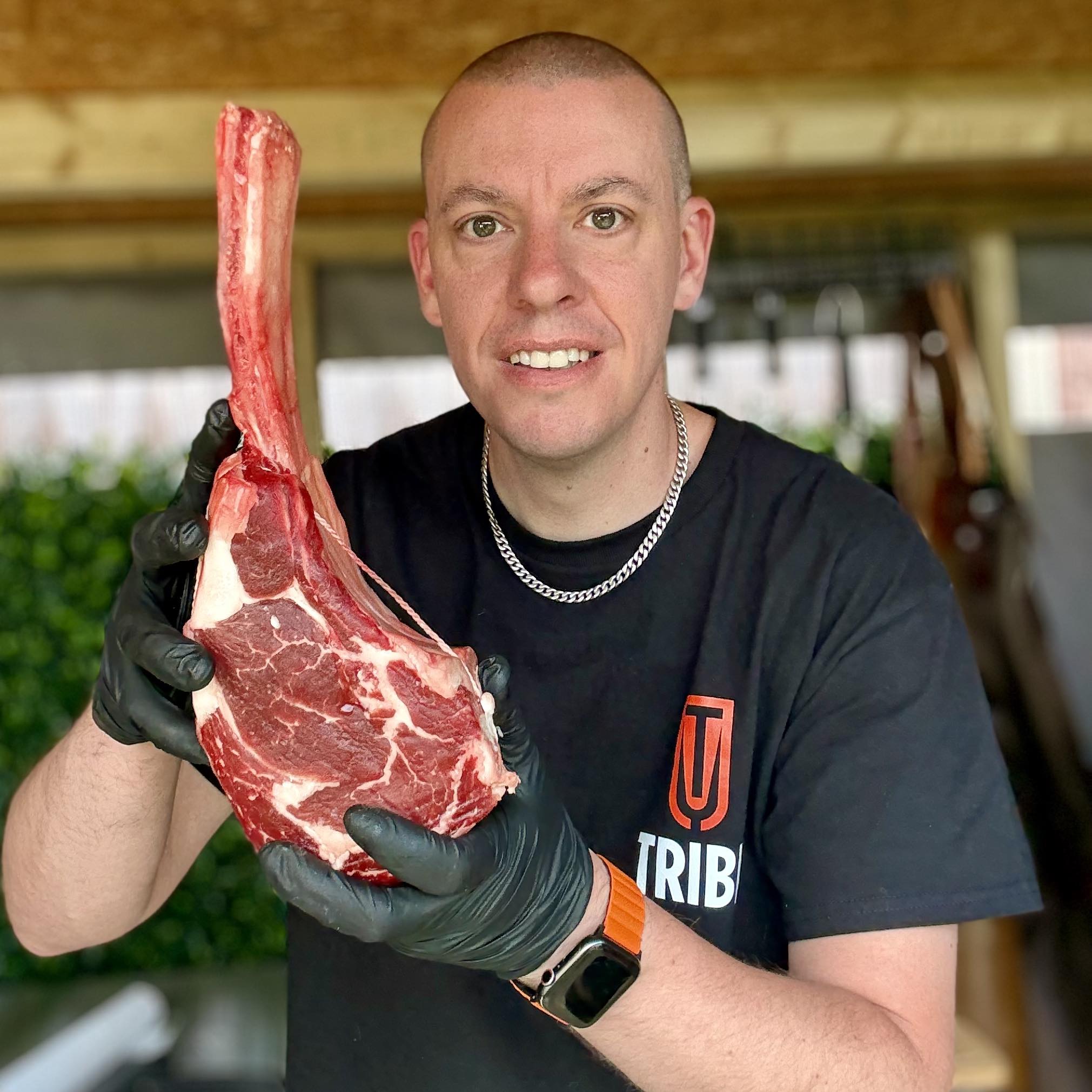
Liam isn’t a face we’ve added for credibility. He’s been doing this work for over 23 years, inside a professional butchery environment where quality isn’t a claim — it’s checked, challenged, and proven every single day.
This article exists to show you why that matters.
Liam’s Role: Responsibility Before Anything Else
Liam is the Factory Shop Manager at The Catering Butcher, but his own description of the role is simple:
“Everything.”
That includes customers, staff, suppliers, meat displays, daily checks, temperatures, dates — and the final decision on what goes out of the door.
The line that defines his approach is even simpler:
If I wouldn’t buy it myself, it doesn’t leave the building.
That’s not a slogan. It’s the filter every product goes through.
Quality of meat.
Standard of butchery.
Trim, portion, and presentation.
If any one of those misses the mark, it’s rejected. No workaround. No downgrade. No “it’ll do”.

Why This Supplier Fits FOURGE
FOURGE doesn’t compromise on meat because we can’t afford to.
Live fire cooking is unforgiving. Poor meat doesn’t hide behind smoke or seasoning — it dries out, tightens up, cooks unevenly, and exposes every weakness.
Liam’s view on why The Catering Butcher fits FOURGE is direct:
We share the same values and drive. Supplying quality with no compromise.
That alignment matters more than convenience or price.
When we cook at scale, we’re not looking for “good enough”. We need consistency, repeatability, and confidence — because when you’re feeding hundreds of people, there are no second chances.
The Quality Checks You Never See
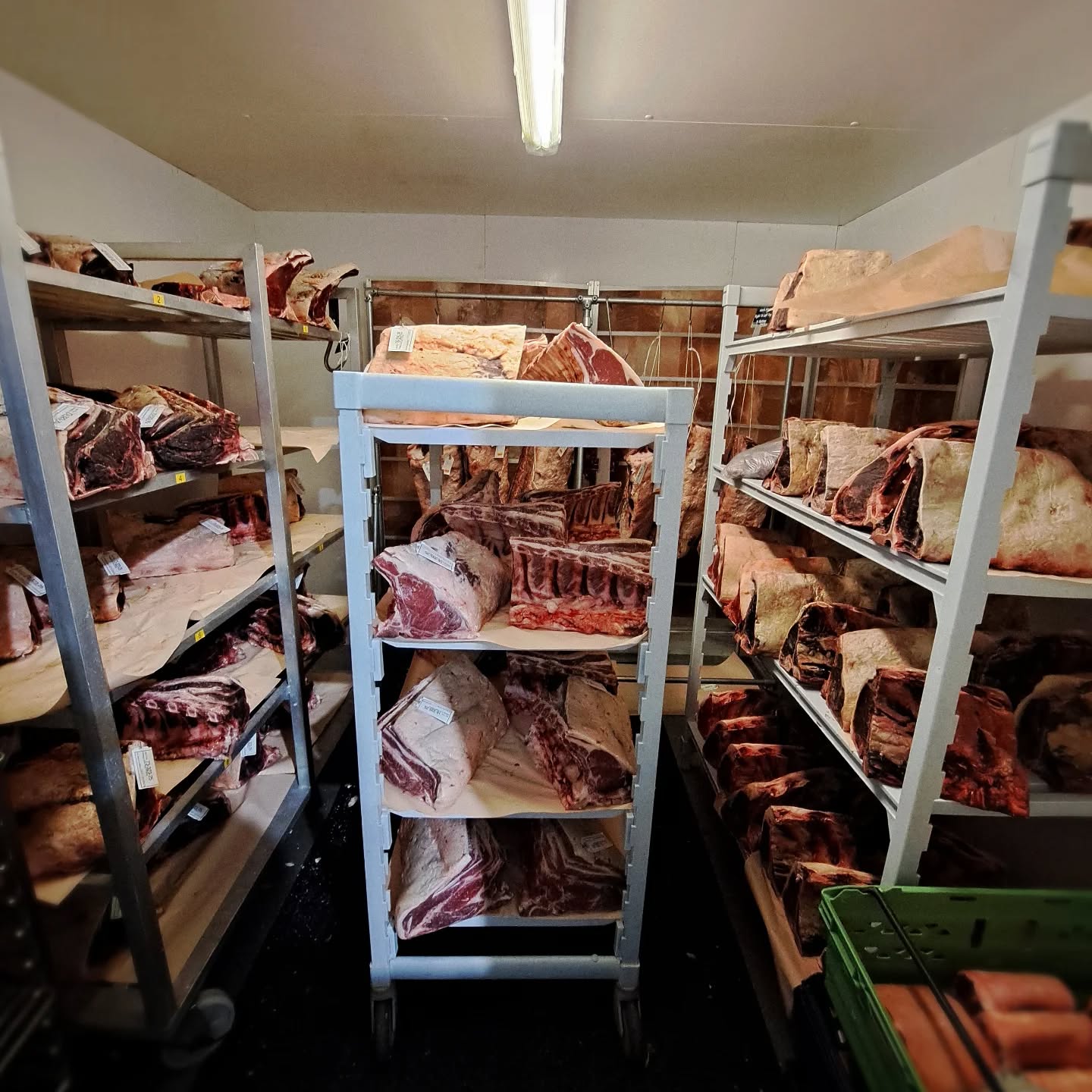
Most people think meat quality is decided once — when it’s bought.
In reality, it’s decided multiple times before it ever reaches a customer.
At The Catering Butcher, Liam explains there are four to five separate quality checks before a product leaves the building:
- product intake checks
- butchers assessing whether it’s good enough to process
- packers checking standards
- booking and dispatch checks
- full traceability logged throughout
If any link in that chain fails, the product stops there.
This is the part customers rarely see — but it’s the difference between meat that looks fine and meat that performs properly when it hits the grill or smoker.
Consistency Isn’t Optional — It’s the Job
Supplying restaurants, caterers, and event crews changes everything about how meat is selected and prepared.
In retail, variation is often accepted.
In catering, it’s a problem.
Liam puts it plainly:
You have to have more consistency in the quality of the meats.
That means working closely with suppliers to ensure every cut is as close as possible to the one before it — even though no two animals are ever exactly the same.
That’s one of the biggest misconceptions people have about meat:
People think quality meat just happens. It doesn’t.
Consistency is worked for. Managed. Checked. And sometimes paid more for — because the alternative is failure at service.
Provenance, Honesty, and Traceability
Knowing where meat comes from matters — but not in a performative way.
Liam’s stance is refreshingly honest:
As long as the quality and consistency are there, and you’re honest with the consumer about why that product is best for that dish.
That honesty is backed up by systems.
All raw meat products can be traced back to the farm they came from. If there’s ever an issue, batch codes allow every affected customer to be contacted immediately.
That level of traceability isn’t a marketing extra. It’s a safety net — for customers, for cooks, and for the reputation of everyone involved.
Accreditations, Explained Without the Noise
SALSA. HACCP. AIMS.
These aren’t badges for websites. They’re daily operating rules.
On the cutting floor, they mean:
- every standard must be met
- every check must be correct
- or the product doesn’t leave the building
If something isn’t right?
It gets replaced straight away.
No argument. No delay.
For customers and event organisers, these accreditations mean one thing: a higher standard than “normal” butchery, backed by systems that work when things go wrong.
Meat for BBQ: Why Butchery Matters More Over Fire
BBQ exposes meat in ways other cooking methods don’t.
Poor trimming dries out.
Wrong cut selection tightens up.
Over-age meat becomes tough and unforgiving.
Liam’s view on what makes meat suitable for BBQ is practical:
Good quality, trimmed correctly, and understanding what the meat is being used for.
His standout cuts over fire?
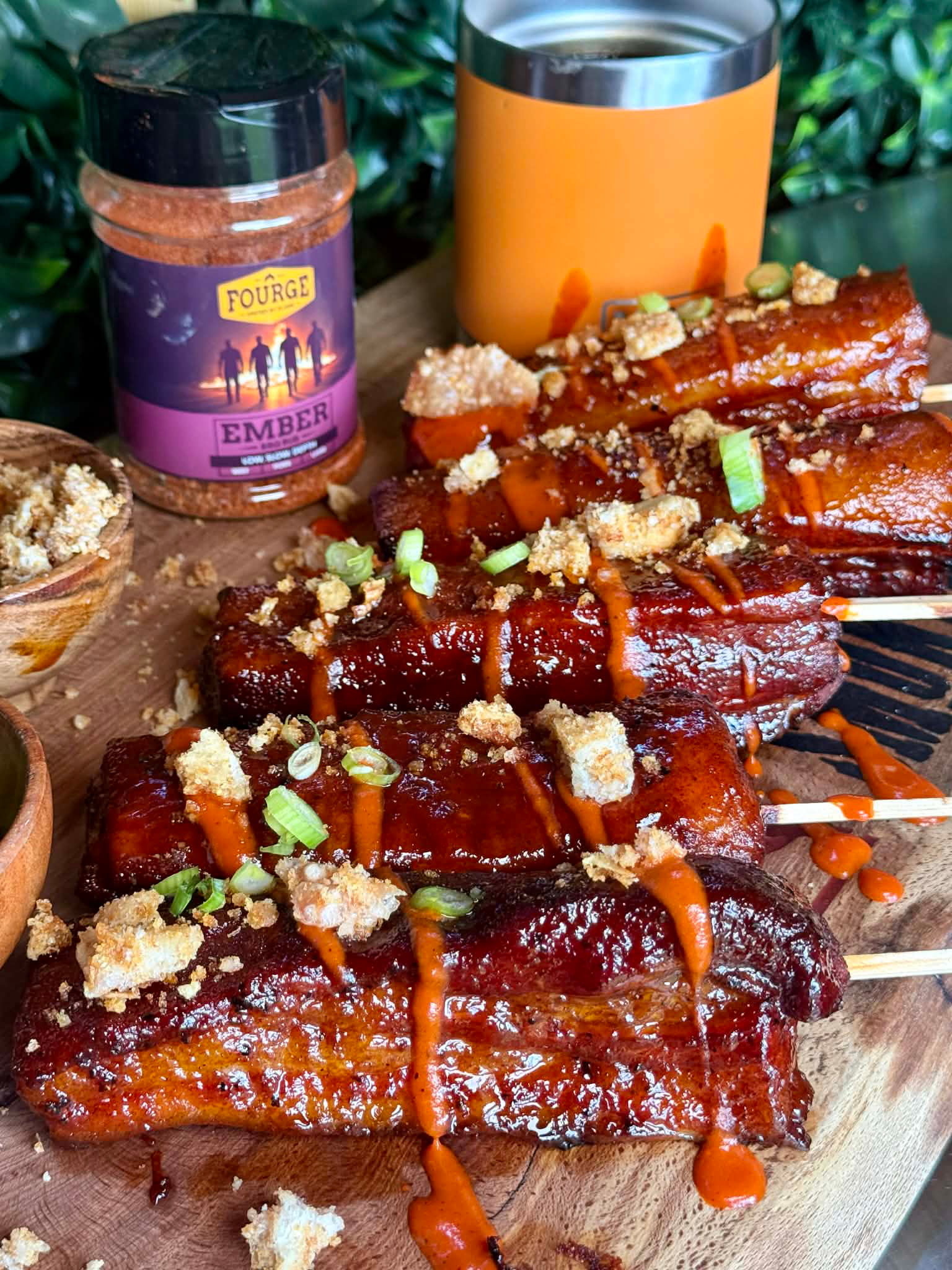
- belly pork
- beef ribs
- hotlinks
These cuts shine when they’re chosen properly and prepared with intent — not when they’re treated as interchangeable.
Scale Changes Everything
Cooking for hundreds of people amplifies every mistake.
That’s why Liam keeps coming back to the same word:
Consistency.
Every dish has to be the same.
Every portion has to cook the same.
Every plate has to deliver the same experience.
Proper portion control and prep make service smoother, reduce stress, and protect quality when pressure hits.
And when quality slips?
Quality always comes first. If I’m not happy with it, I won’t sell it.
That’s the line FOURGE builds on.
Why FOURGE Meat Will Matter
When FOURGE introduces meat products of its own — whether cuts, bundles, or BBQ boxes — Liam is clear on what they must deliver:
Consistency and quality. That’s the key to everything we’ve achieved.
He’s cautious for the right reasons. His name matters. His approval matters.
Every product would need my trusted opinion and sign-off.
That’s how trust is built — slowly, deliberately, and without shortcuts.
Respect for the Ingredient
In a world of shortcuts, Liam’s belief is grounded:
Meat doesn’t just come in plastic. Animals deserve respect.
Doing it properly, to him, means giving his own seal of approval — and earning the trust of the people buying it.
When someone eats FOURGE BBQ, this is what Liam wants them to feel confident about:
That passion has gone into every dish — from the field with the farmers all the way to the chef serving it.
That’s not romance. That’s the process.
Why This Matters to FOURGE
FOURGE doesn’t just cook meat.
We stand behind it.
Using Liam’s produce means:
- traceability we can prove
- quality we can defend
- consistency we can rely on
- and standards we won’t dilute
As FOURGE grows, this foundation doesn’t change. It strengthens.
Because if the main ingredient fails, everything fails.
And this one doesn’t.